Milan's ledger books and design books are equally important. The city runs on a brisk economy of espresso and efficiency, a pace that allows it to linger over aperitivo later. It’s a metropolis where deals are drafted on napkins and global brands are born in quiet courtyards.
A cappuccino after 11 AM is a tourist trademark; it’s a breakfast drink, not a digestive.
Aperitivo is not free food; it’s a dividend paid on the drink you bought and the time you invested.
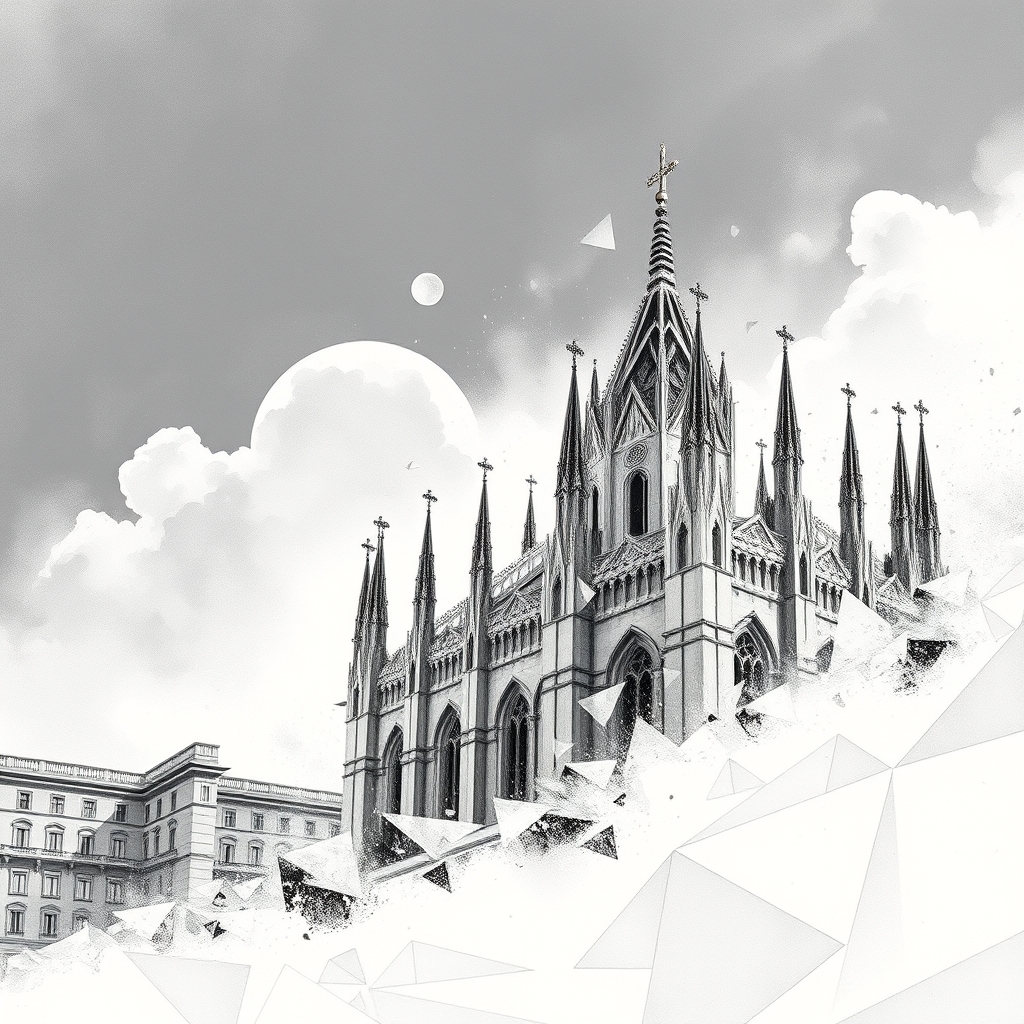
The Duomo is built from a pink-hued Candoglia marble, sourced from a quarry exclusively dedicated to its maintenance for centuries.
The lobby has a boxing ring and rooms pay homage to niche sports. A hotel that trades minimalism for meticulous, athletic fantasy.
NavigliA nineteenth-century family palazzo where minimalism meets marble. The quiet gin and tonic on the rooftop terrace is the real draw.
Porta VeneziaSleep in a 15th-century convent. The cloistered courtyard is the city’s most serene secret, hidden in the heart of the fashion district.
QuadrilateroUnabashed opulence where Brera's art history meets Porta Nuova's glass towers. The Grand Spa is a destination in its own right.
BreraThe queue is a Milanese ritual. The reward is a panzerotto classico, a fried parcel of molten mozzarella that must be eaten immediately on the street.
Centro StoricoChef Diego Rossi gives tripe and sweetbreads the reverence others reserve for caviar. This is the new Milanese gospel, if you can get a seat.
Porta RomanaIn a converted railway warehouse, Cesare Battisti serves the benchmark Risotto alla Milanese, trembling with saffron and bone marrow.
IsolaThe brioche sets the city's standard, with laminated butter layers that shatter on impact. The morning pastry pilgrimage ends here.
Porta VeneziaSince 1921, the Masuelli family has been the keeper of Milanese tradition. The risotto arrives in a copper pan, a golden, quivering liturgy.
Porta RomanaHome of the Negroni Sbagliato, born from a happy mistake in 1972. It’s still served in its signature, oversized goblet.
Porta VeneziaFour seats, a Venetian mask, and no menu. Describe your mood to the bartender and receive a bespoke cocktail in return.
NavigliNamed for a Futurist magazine, this speakeasy channels avant-garde energy into its vast amaro collection and sharp, inventive cocktails.
Porta RomanaOpened by Davide Campari in 1915. Stand at the bar and drink a Campari Seltz; it's a civic ritual more than a beverage.
Centro StoricoStefano Boeri’s vertical forest, where 800 trees grow on apartment balconies. It's architecture learning to photosynthesize.
Porta NuovaOlder and more important than the Duomo, this Romanesque basilica is Milan's spiritual core. Find the 9th-century golden altar.
Sant'AmbrogioAn open-air museum where Milan's great industrial families—Campari, Pirelli—competed in posthumous vanity through elaborate marble tombs.
MonumentaleA 1910s distillery remade by Rem Koolhaas into an art campus, complete with a gold-leaf tower and a bar designed by Wes Anderson.
Largo IsarcoArrive early if you want a seat near the speakers.
Vinyl-spun soul competes with the lively, liquid chatter of Navigli’s most discerning night owls.
NavigliAn Isola courtyard where the soundtrack drifts between indie-electronica and the low murmur of Milan’s creative set.
Isola- Espresso is a stand-up affair. Pay first at the cassa, then take your receipt (scontrino) to the barista at the bar.
- Aperitivo runs roughly from 6 PM to 9 PM. Your drink buys you access to food, but it's a prelude to dinner, not a replacement.
- The coperto is a standard per-person cover charge on restaurant bills, not a scam. It covers bread and the table setting.
- When visiting churches, cover your shoulders and knees. This rule of respect is strictly enforced.
- Buy public transport tickets from a tabaccheria or metro machine before boarding and remember to validate them in the machine on board.
- Many smaller, family-run shops close for a long lunch break (pausa) from roughly 1 PM to 3 PM.
Where Things Are
Four neighborhoods to orient your first visit
Navigli
Canals, aperitivo bars, and creative dining along the water.
Centro Storico / Duomo
Galleria, Duomo, luxury shopping, and landmark dining.
Porta Venezia
Art Nouveau facades, cocktail institutions, and LGBTQ+ nightlife.