River as Compass
The Thames curves like a sentence that refuses to end. Bridges punctuate it: Tower, Millennium, Waterloo, each with a different view and crowd. South Bank hosts book stalls under concrete ribs, buskers filling the air with covers and hope. North Bank runs past lawyers’ chambers, pubs with dark wood, and lanes that still smell of printing ink. The river keeps you oriented: face downstream and you feel the city’s push toward the sea; face upstream and you remember the suburbs stretching into trees.
At night, the water collects reflections—St. Paul’s dome hovering in duplicate, the Shard insisting on its height twice. River buses cut through traffic with quiet efficiency. Stand at Blackfriars and you see trains crossing the water in glass, carrying office workers home and night-shifters in. The Thames is both moat and mirror.
Streets in Layers
London streets rarely run straight. Medieval lanes twist into Georgian squares, which give way to Victorian arcades. You turn a corner and move decades. Brick mews hide behind townhouses; alleyways hold pubs with ceilings so low you duck on instinct. Modern towers rise on ancient foundations, their glass reflecting steeples and cranes at once.
Every postcode has its own tempo. WC1 is bookish and brisk. E2 is paint-splattered and caffeinated. SW11 feels like school runs and riverside jogging. The trick is to listen for it. The city repeats motifs—corner shops with fruit piled outside, black cabs in traffic, foxes darting at 3 a.m.—but the composition changes block to block.
Pubs as Memory Palaces
The pub is London’s living room. Some have carpet that remembers last century; others are tiled and bright, serving lagers cold enough to fight a July heatwave. You order at the bar, hold your ground, and say thanks to the person pouring. A proper pint comes with conversation if you want it, silence if you need it. Many close earlier than you expect; plan your rounds.
Sunday roasts fill tables with Yorkshire puddings like small sailboats, gravy pooling around crisp potatoes. Locals know which pubs keep the fire lit in winter and which gardens catch the late sun in summer. Tip modestly, respect the queue, and bus your glass if the staff is drowning. The pub teaches London manners better than any museum.
Cocktails with Discipline
London’s top bars work like watchmakers. Ice cut to spec, citrus juiced per round, glassware polished to invisibility. You’ll find hotel institutions pouring flawless martinis, subterranean rooms experimenting with clarified tea punches, and neighborhood spots making modern classics without pretense. Book where you can; elsewhere, arrive early and take the counter seat to watch the craft.
Menus read like short stories: ingredients sourced from local farms, syrups infused with British botanicals, or clever nods to history (a gimlet built around navy rum, a Collins spiked with gooseberry cordial). The scene is wide enough for every mood: loud and neon in Shoreditch, hushed and velvet in Mayfair, smart and playful in Hackney. Keep cashless payment handy and a sense of wonder ready.
Markets and Mouthfuls
Borough Market is the obvious headline—cheese towers, oyster shuckers, Ethiopian platters, fresh pasta, and the smell of grill smoke under the railway. But there are side stories: Maltby Street’s Ropewalk with gin bars under arches, Broadway Market on Saturdays with flower stalls and coffee carts, Ridley Road’s riot of produce and Afro-Caribbean seasonings.
Eat while walking: a hot salt beef bagel at midnight on Brick Lane, a paper cone of chips in Soho, a samosa from a corner shop in Tooting. London feeds on the move but rewards a seated meal too: a curry house that has perfected saag paneer over decades, a modern British spot plating fermented vegetables with trout. The point is choice; the city’s appetite is as sprawling as its map.
Music in the Walls
Venues hide in plain sight. A basement in Soho hosts late jazz; a converted cinema in Dalston fills with soul; a church in Islington stages chamber concerts that leave the pews buzzing. Brixton Academy still commands a queue that snakes around the corner, while tiny pubs in Camden squeeze bands onto platforms barely wider than a drum kit.
Follow the posters on lamp posts and the listings in venue windows. The city’s music is democratic: you might stand beside a banker, a painter, and a student in one crowd. Respect the sound techs, keep your pint off the stage, and let your Oyster card lead you to the next set.
Film in the Dark
London’s film culture operates across registers that other cities cannot match simultaneously. BFI Southbank, under Waterloo Bridge, is one of the world’s great cinematheques — four screens, a national archive of 275,000 titles, and programming that treats film history with the same institutional seriousness the British Museum applies to antiquities. The Prince Charles Cinema in Leicester Square runs cult double bills and sing-along screenings at prices that make the West End multiplex surcharge feel criminal. Curzon’s Soho flagship programmes new arthouse releases with the confident taste of a chain that has been doing this for decades. The ICA screens experimental and artist film in a Nash terrace on the Mall, where the distance between Buckingham Palace and an essay film by Chris Marker collapses to a single corridor.
The circuit extends further: Barbican Cinema programmes alongside the performing arts centre’s broader cultural offer; the Rio in Dalston serves East London’s community; Genesis in Mile End combines arthouse screenings with a bar and event space. The BFI London Film Festival each October brings premieres that draw the international industry. What connects these spaces is an audience that still chooses the cinema over the stream — queueing at the Prince Charles for a midnight screening, booking BFI membership for festival priority, walking to Curzon Soho in the rain because the new Romanian film opens tonight and it matters to see it properly.
Transport as Tactic
The Tube is fast and honest about delays. Stand on the right, walk on the left. Buses give you the city at eye level, especially the top deck front row—just tap in and ride until you feel the shift. Overground trains knit the outer rings together; the DLR drives itself through glassy Canary Wharf like a quiet monorail.
Walking is still best for the core. Distances are shorter than they look on the map. A stroll from Covent Garden to St Paul’s takes 20 minutes if you ignore the call of bookshops. Cycling has its own logic; use cycle lanes where painted, stay alert at junctions, and dock your hire bike near light.
Weather as Editor
London weather edits your plans without apology. Carry a compact umbrella and a layer; the city rewards those who adapt. Rain turns pavements glossy and pushes you into pubs and galleries you might have missed. Sunlight sends everyone to the nearest patch of green, shirtsleeves rolled, pints sweating.
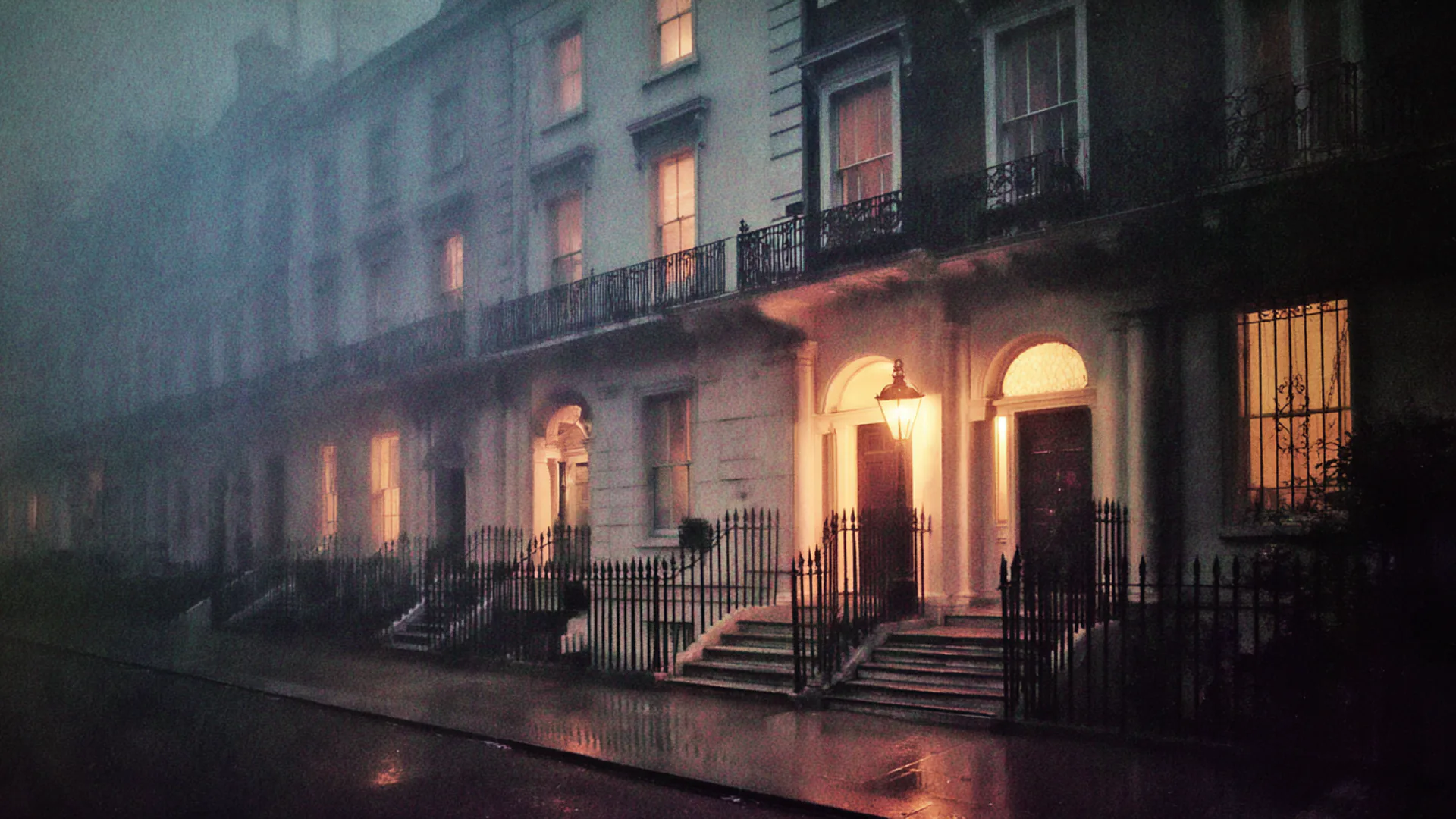
Fog still visits, mostly in early mornings along the river or on the Heath. Wind slices through Canary Wharf’s canyons but dies under the plane trees of Bloomsbury. Accept the sky as a collaborator; you’ll be happier.
Green Rooms
Parks punctuate the sprawl. Hyde Park holds concerts and swan boats; Regent’s Park frames rose gardens and Regent’s Canal; Hampstead Heath gives you ponds to swim and Parliament Hill views that explain why poets wrote about them. Smaller squares—Russell, Bedford, Hoxton—offer benches for sandwich lunches away from traffic.
London’s green spaces are democratic stages: football games, tai chi classes, picnics with supermarket mezze, quiet reading under plane trees. They reset the tempo. Step into one after a day in the Tube and watch your breathing match the pigeons’ pace.
Etiquette and Edges
London politeness is practical. Queue without pushing. Offer your seat if needed. Keep your Oyster or contactless ready. Say “cheers” as thanks. The city moves quickly but tolerates pauses for kindness. In conversation, understatement is currency; big claims draw raised eyebrows.
At night, keep to lit streets, know your last Tube time, and have a fallback bus route. Pubs close sooner than you expect; check last orders. In clubs, bouncers enforce rules with few words. Respect gets you far; curiosity gets you farther.
Leaving Room for Detours
The best days start with a plan and end elsewhere. A gallery visit spills into an unplanned canal walk. A quick pint turns into a gig because someone at the bar mentioned it. A wrong bus takes you past a park you decide to explore. London rewards those who let it redirect them.
When you leave, you take small souvenirs: the smell of rain on stone, the ring of contactless readers, the glow of a pub window on a cold night. Those memories are why you will book the next visit before the plane even lands.
Museums as Commons
Free entry changes the relationship with art. The National Gallery becomes a place to visit Monet on your lunch break; the Tate Modern a riverside rest stop with turbines and Turbine Hall installations. The V&A lets you wander from couture to ceramics without a ticket barrier slowing you down. Smaller spots—Sir John Soane’s Museum, the Wallace Collection—feel like time capsules left unlocked for anyone curious.
Because admission is open, visits can be short and frequent. Pop in for one room, one painting, one sculpture. Rainy days fill the halls; sunny days leave them calmer. Remember to donate if you can; the system relies on both policy and goodwill.
Morning to Midnight
Early mornings belong to dog walkers on the Heath, market traders setting up in Ridley Road, and bakers pulling loaves from ovens in Notting Hill. The city is gentle then; even traffic seems considerate. By afternoon, cafés hum, meetings spill into parks, and trains thicken. Evening splits: West End theatre lights up, East End bars tune sound systems, and restaurants across town plate second sittings.
After midnight, London narrows. Night buses glow red through rain, kebab shops become diplomatic neutral zones, and the city’s pace slows to something close to confession. Plan your route home, carry a layer, and enjoy the quieter jokes that only happen when most of the city is asleep.
Riverside Loops
Walking the Thames Path is a lesson in contrasts. From Hammersmith to Putney you get rowing clubs and leafy calm; from Tower Bridge to Greenwich you pass wharfs turned into lofts, warehouses reworked into pubs, and glimpses of the Cutty Sark. South Bank gives you bookstalls and buskers; Wapping gives you cobbles and pubs with histories longer than some countries.
Choose a stretch, bring a jacket, and let the river set the pace. Bridges become checkpoints for another pint, another coffee, or simply another view of the skyline reordering itself as you move.