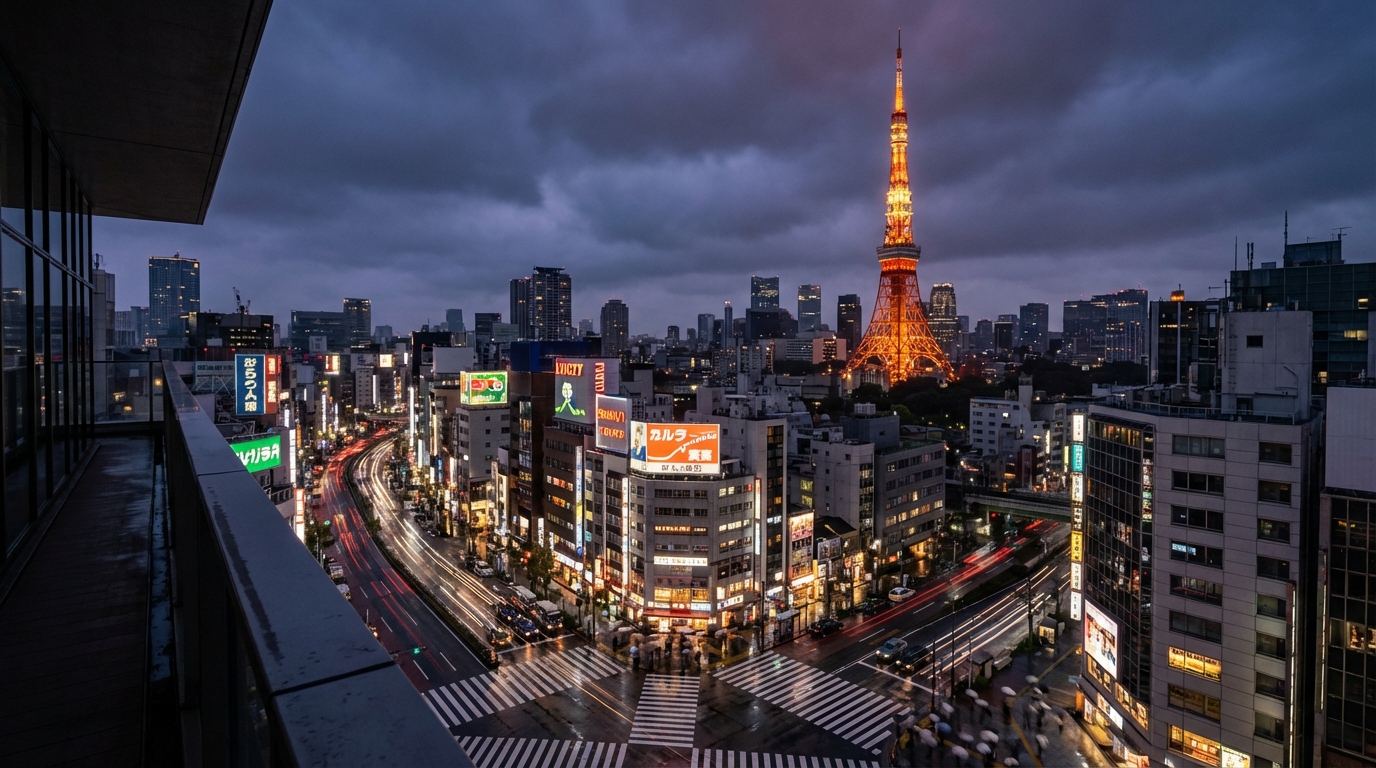
Six narrow alleys holding over 200 bars, most smaller than a Western bathroom, preserved from the postwar black market era when Shinjuku was the city's illicit heart. Golden Gai is not a bar but a compressed civilization — each door opens onto a counter, five or six stools, a master or mama-san, and a personality as specific as a fingerprint. One bar plays only jazz from 1958. Another is decorated entirely with horror movie posters. A third seats four and serves nothing but shochu and conversation. The alleys are barely shoulder-width, stacked two stories high with wooden buildings that would not survive a fire code inspection in any other developed nation, and this fragility is the point. Golden Gai persists because Tokyo decided that some things matter more than efficiency.
Location
Shinjuku, Tokyo
Map
Insider Intel
Each bar has its own menu, personality, and rules. Many serve simple drinks — whisky highballs, shochu, beer — at 500-800 yen per glass. Some have a seating charge of 500-1,500 yen (especially for first-time visitors). Look for bars with open doors or signs in English indicating tourist-welcome. Albatross, Tight, and the bars on the second alley are accessible starting points.
After 8pm when the alleys come alive and the doors open. Most bars close by midnight or 1am on weeknights, later on weekends. Avoid before 7pm when most are closed, and avoid Saturday nights when overcrowding reduces the intimacy that is the entire point. A rainy Tuesday at 9pm is Golden Gai at its most genuine.
Some bars have cover charges for non-regulars — ask before sitting down. Some bars refuse entry to non-Japanese speakers (fewer each year, but it happens). Do not photograph inside bars without permission. Do not stand in the alleys blocking passage. Many bars seat only 5-8 people, so if a bar is full, move to the next door. The wooden buildings are extremely flammable — no smoking in the alleys. Cash only at virtually every bar. The area is safe despite its Kabukicho-adjacent location.