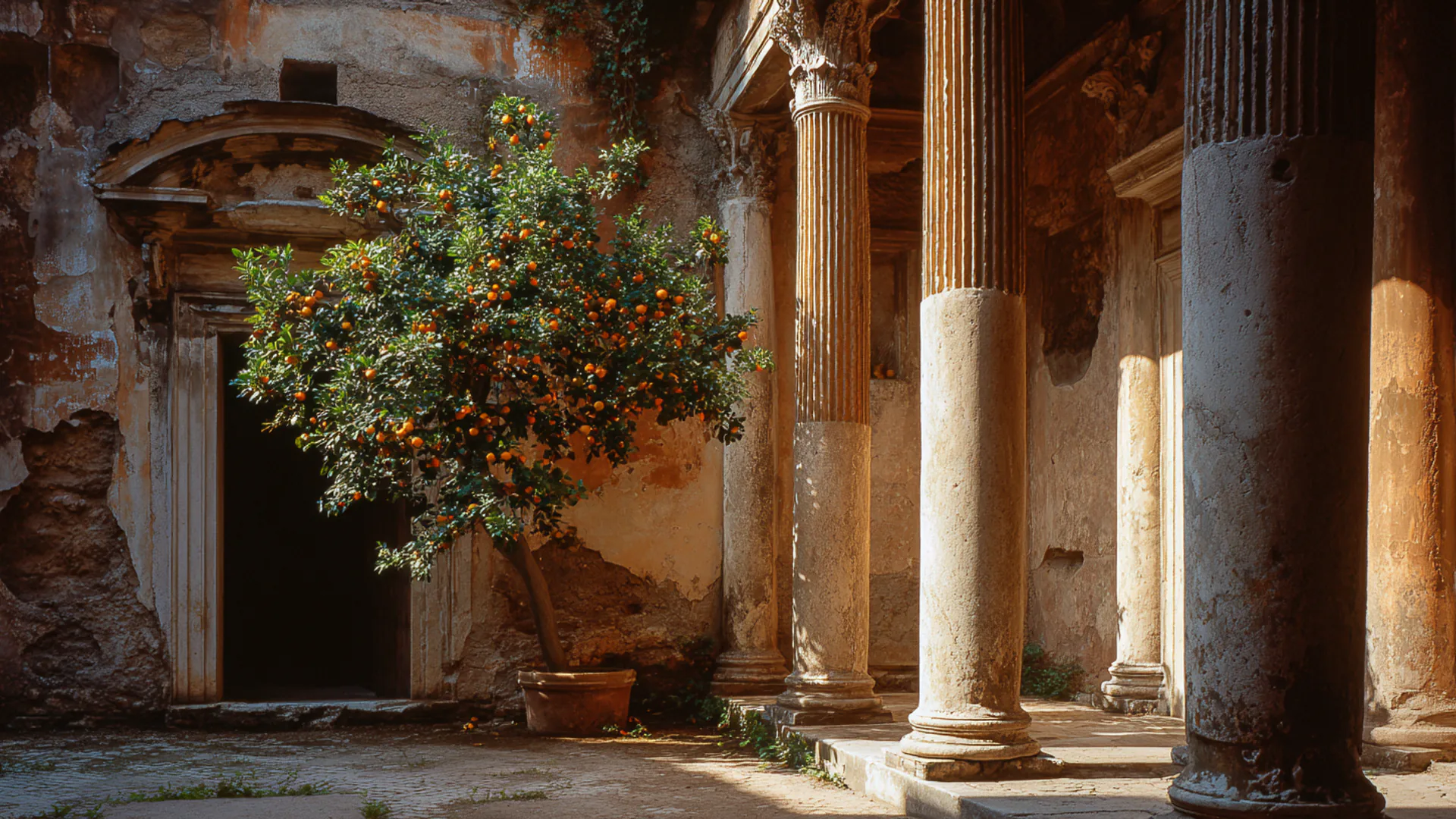
The world's oldest public museum, founded in 1471 when Pope Sixtus IV donated a collection of bronze statues to the people of Rome. Classical sculpture, Renaissance and Baroque painting, and the iconic Capitoline Wolf. Michelangelo designed the piazza.
Location
Campitelli, Rome
Map
Insider Intel
The Palazzo dei Conservatori has the Capitoline Wolf (Etruscan bronze, 5th century BC, though the twins are Renaissance additions), the bronze equestrian statue of Marcus Aurelius (the original — the one in the piazza is a copy), and the Caravaggio paintings (Fortune Teller, John the Baptist). The Palazzo Nuovo has the Dying Gaul and the Hall of Emperors (portrait busts). The underground gallery connects the two palaces with views of the Forum.
Weekday afternoon. Less crowded than the Vatican Museums. The terrace cafe has excellent views over the Forum — worth a coffee break.
Pope Sixtus IV donated the bronze collection in 1471, making this the oldest public museum in the world. The Capitoline Wolf is the symbol of Rome — Romulus and Remus nursed by a she-wolf. The statue of Marcus Aurelius survived the Middle Ages because it was mistakenly believed to represent Constantine, the first Christian emperor. Michelangelo redesigned the piazza in the 1530s, reorienting it away from the Forum toward the new city. The museum is smaller and more manageable than Vatican Museums — excellent for classical sculpture without the overwhelming scale.