Stones that Speak
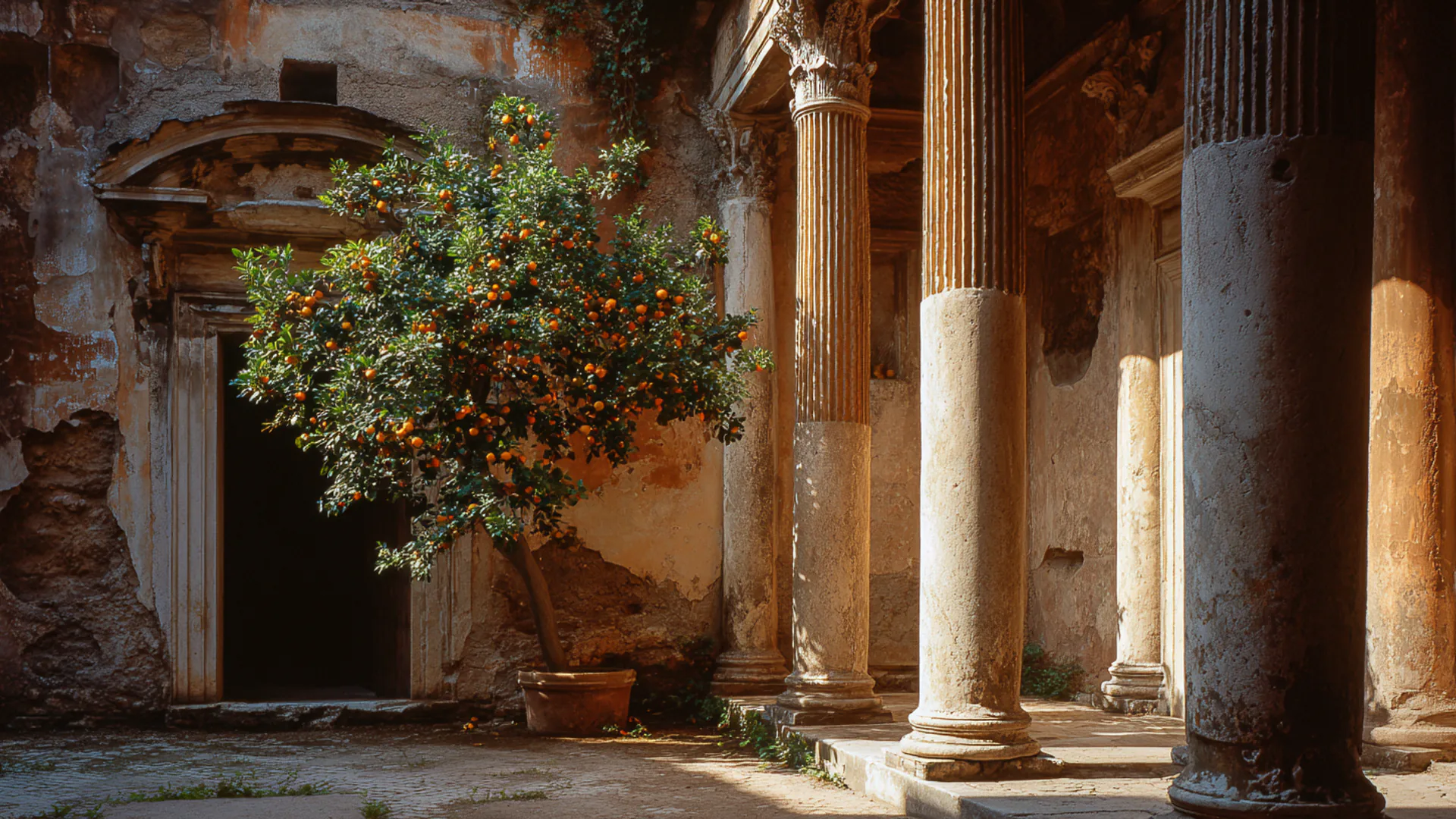
Columns reused as doorframes, marble fragments set into walls, Latin inscriptions beside modern street signs—Rome’s stones do not retire. The Forum sits open to the sky, the Colosseum’s ribs still catching light, and around the corner someone is selling espresso from a bar older than most countries.
You cannot see it all. The trick is to listen: to the echo under arches, to the slap of shoes on worn steps, to the way a piazza quiets at noon heat and explodes at dusk.
Piazzas as Living Rooms
Campo de’ Fiori wakes with produce and ends with wine; Piazza Navona hosts painters and tourists circling Bernini’s fountains; Piazza del Popolo anchors the north with symmetry. Even tiny squares in Monti or Trastevere have their fountain and their cast of regulars.
Sit, order something—even just water—and let the day pass. Kids chase pigeons, Vespas thread through alleys, and somewhere a priest cuts through in running shoes. The piazza is Rome’s open book; every page is annotated by locals and visitors at once.
The Tiber and Its Bridges
The Tiber is brown, patient, and binding. Trastevere leans over it; Isola Tiberina splits it; embankments hold graffiti and joggers. Bridges mark chapters: Ponte Sisto carrying sunset crowds, Ponte Sant’Angelo lined with angels pointing you to Castel Sant’Angelo, modern spans near MAXXI carrying bikes.
Walk it at night; the river absorbs the city’s noise. Walk it at dawn; rowers slice the surface while the sky warms behind the dome.
Rituals of Eating
Coffee at the bar: quick, standing, cheap. Cornetto if you’re hungry. Lunch anchored by pasta—carbonara, amatriciana, gricia, cacio e pepe—served al dente with no apologies. Dinner starts late; aperitivo might be a spritz with chips, or nothing at all if you’re headed to a full meal.
Respect the menu. Cappuccino after 11 draws side-eyes. Bread and water may carry a small charge. Tipping is light; good manners heavier. The best meals are often in small rooms with paper placemats and no English menu.
Chaos and Order
Traffic looks lawless until you learn the rhythm: cross with confidence, avoid sudden stops, trust that drivers are watching even if they look like they aren’t. Bureaucracy can be a labyrinth; a smile and patience get you farther than indignation.
Rome is both opera and schedule: trains leave Termini mostly on time, buses sometimes not, church bells always. Accept the mix; it’s part of the texture.
Art in Layers
Caravaggio hides in side chapels; Michelangelo’s Moses waits in San Pietro in Vincoli; contemporary art stretches under Renzo Piano’s roof at Auditorium Parco della Musica. MAXXI offers sharp angles, Galleria Borghese offers Bernini in a villa you must book in advance.
Much art is free or nearly so—step into churches respectfully and look up. Light through stained glass and incense in the air make even a brief visit feel like a scene written centuries ago.
Screens and Shadows
Rome's cinema culture runs quieter than its archaeological fame but carries its own archaeology — layers of film history embedded in a city that Rossellini, De Sica, Fellini, and Pasolini used as both setting and subject. Cinema dei Piccoli, a 63-seat wooden pavilion in the Villa Borghese gardens, holds the distinction of being the world's smallest cinema — built in 1934, it screens children's films by day and arthouse selections by evening in a room where the proximity to the screen and the pine trees outside the window make the experience feel like a private showing in someone's very particular garden shed. Nuovo Cinema Aquila in Pigneto — the neighbourhood where Pasolini filmed Accattone — is a community-reclaimed cinema that was saved from developers by the kind of civic argument and persistence that Romans bring to anything they care about enough to fight for.
The broader circuit includes the Casa del Cinema in Villa Borghese (free outdoor screenings in summer), the screens at the Auditorium Parco della Musica, and the festival circuit — the Rome Film Fest each October brings international premieres to a city that produced neorealism and Cinecittà but now watches its film culture in smaller, more intimate rooms. What connects these spaces is a Roman attitude toward cinema that mirrors the city's attitude toward everything: slightly chaotic, deeply passionate, and best experienced with someone willing to argue about it afterward over wine in a trattoria where the waiter has opinions too.
Heat, Light, and Shade
Summer heat presses between stones; shade becomes currency. Fountains spout potable water everywhere—drink from the nasone, fill your bottle. In winter, light slants low across ruins and makes every photo look like it was art-directed.
Carry a hat, carry water, and seek the colonnades when the sun is high. Evenings reward you with golden hour that lasts just long enough to cross the river and back.
Water and Fountains
Rome’s fountains are public infrastructure, not just ornament. Nasoni run cold, clean water day and night; ornate fountains anchor piazzas with sculpture and sound. Locals drink, fill bottles, and wash fruit without hesitation. Follow the flow and you trace ancient aqueduct lines remixed for modern life.
Trevi is the loud headline; the small spouts in back alleys are the footnotes that keep the city hydrated. Use them; it’s part of belonging here.
Wine, Amaro, and Coffee
House wine is often the right call; Roman trattorie pour decent table reds and whites that match the food. Enoteche offer deeper lists if you want to explore Lazio and beyond. Amaro or grappa land at the end of meals, sometimes unsolicited, sometimes a test of your pacing.
Coffee is a cadence. Bars are efficient machines: order, pay, down it, leave. Learn to lean on the counter with the exact amount ready; you’ll feel the system accept you.
Language and Tone
A little Italian changes service: buongiorno, per favore, grazie, il conto, per favore. Romans appreciate effort and will often switch to English if you stall, but rhythm matters. Speak with warmth; the city does not respond well to barked orders.
Gestures fill gaps. Point, smile, and be patient. A shrug with a laugh often solves what a phrasebook cannot.
Seasons and Timing
Spring smells like wisteria in Trastevere and orange blossoms near churches. Summer runs late and hot; siesta is real if informal. Autumn is gold; artichokes return; evenings feel like extensions of afternoon. Winter is rain, short days, and clear mornings that belong to early risers.
Time is a local variable: lunch 1–3, dinner 8–10:30, aperitivo 6–8. Plan around that cadence or risk empty kitchens and closed shutters.
Safety and Scams
Pickpockets work crowds at Trevi, on buses, and in metro cars. Keep bags zipped and in front. Ignore “friendship bracelets,” petition clipboards, and unlicensed taxi offers. ATMs inside banks are safer.
Most of Rome is safe to walk, but some stations and buses get sleepy late. Trust your read and choose a taxi if needed. Romans will warn you if you look distracted; listen.
Green Escape
When stone overwhelms, Villa Borghese offers lawns, bikes, and a view from the Pincio over Piazza del Popolo. The Appian Way gives ancient paving stones and cypress-lined rides far from traffic. Orto Botanico in Trastevere cools afternoons with shade and bamboo groves.
These spaces remind you Rome is not only marble and exhaust. Bring a sandwich, sit under a pine, and watch the city slow its heartbeat.
Family City
Children run the piazzas; grandparents sit on benches watching them play until late. Restaurants welcome families; kids fall asleep in strollers beside tables at 10 p.m. Parks have swings and slides tucked between ruins. If you travel with kids, Rome accommodates; if you don’t, remember the city belongs to all ages.
Noise is tolerated when it’s joyful; less so when it’s impatient. Follow the local cue: relax into the chaos, but don’t be careless with other people’s space.
Craft and Shops
Rome still has cobblers, tailors, framers, and paper shops working by hand. Small botteghe sell leather goods, notebooks, and pens; alimentari stack dried pasta and tinned fish with labels that look like design objects. Chain stores exist but aren’t the only option.
Buy something small and made here: a notebook from a paper shop near Pantheon, sandals in Trastevere, a bottle of olive oil from a family grocer. The transaction comes with conversation and often advice on dinner.
Late Night Logistics
After midnight, buses replace metro; schedules thin. Taxis cluster around piazzas and Termini. Streets in Trastevere, Monti, and Testaccio stay lively; others empty fast. Keep cash for a cab, know your address, and avoid rides from unmarked cars.
Night air smells like frying and stone; footsteps carry. Respect residential quiet even if nearby piazzas are loud. Rome will still be there at breakfast.
Markets and Everyday
Testaccio and Campo de’ Fiori markets sell vegetables that smell like gardens and cheese that tastes of countryside. Butcher counters display offal with pride; bakers stack pizza bianca and maritozzi. Locals shop daily, buying only what they need for tonight and maybe tomorrow.
Join them. Learn to take a number, greet the vendor, and ask for a recommendation. You’ll leave with better produce and a sense of the city’s cadence.
Night and Noise
Rome’s nights are wide-ranging. Trastevere thrums, Testaccio’s clubs keep bass going in former warehouses, Monti keeps conversation at street level, and Centro Storico glows while tourists toss coins. Sirens, scooters, and laughter bounce off stone until late.
Quiet exists too: the Gianicolo hill at midnight, the Vatican area after pilgrims sleep, residential Prati streets where only footsteps and cutlery clink. Choose your volume; it’s available.
Day Trips without Leaving
Cross one bridge and the city changes accent. Move from Centro to Prati and watch symmetry replace crooked lanes. Head to Pigneto for street art and a different nightlife. Rome contains multitudes within a few metro stops.
Outside the ring, Ostia Antica gives ruins by the sea; Tivoli offers Hadrian’s Villa and Villa d’Este’s fountains. Trains make both simple; the city remains when you return, unfazed.
Faith and Skepticism
Churches are free museums and active places of worship. Light candles quietly, cover shoulders, and accept that you’re a guest. The Vatican overwhelms; St. Peter’s dome climb rewards the effort with a city-scale map at your feet.
Romans can be devout and cynical in the same breath. That duality keeps the city grounded—sacred procession followed by a cigarette and gossip outside.
Logistics and Survival
Carry coins for bus tickets; buy from tabacchi or metro stations. Validate. Watch for pickpockets in crowds; keep bags close. Sidewalks can vanish; walk alert. Water is free from fountains; use it. Gelato should be cold, not fluorescent—avoid towering piles.
August empties locals and fills tourists; some spots close. Winter brings rain; a good umbrella matters. Learn a few phrases; “permesso” opens space in markets and crowds.
Leaving the Page Open
You will not finish Rome. Leaving means one last espresso at the bar, maybe a square of pizza al taglio folded, and a glance back at whatever dome or ruin anchored your visit. Trains and planes pull away; the city keeps talking without you.
You take home dust on your shoes, the taste of pecorino, and the sense that sentences can end with ellipses. Rome prefers it that way.