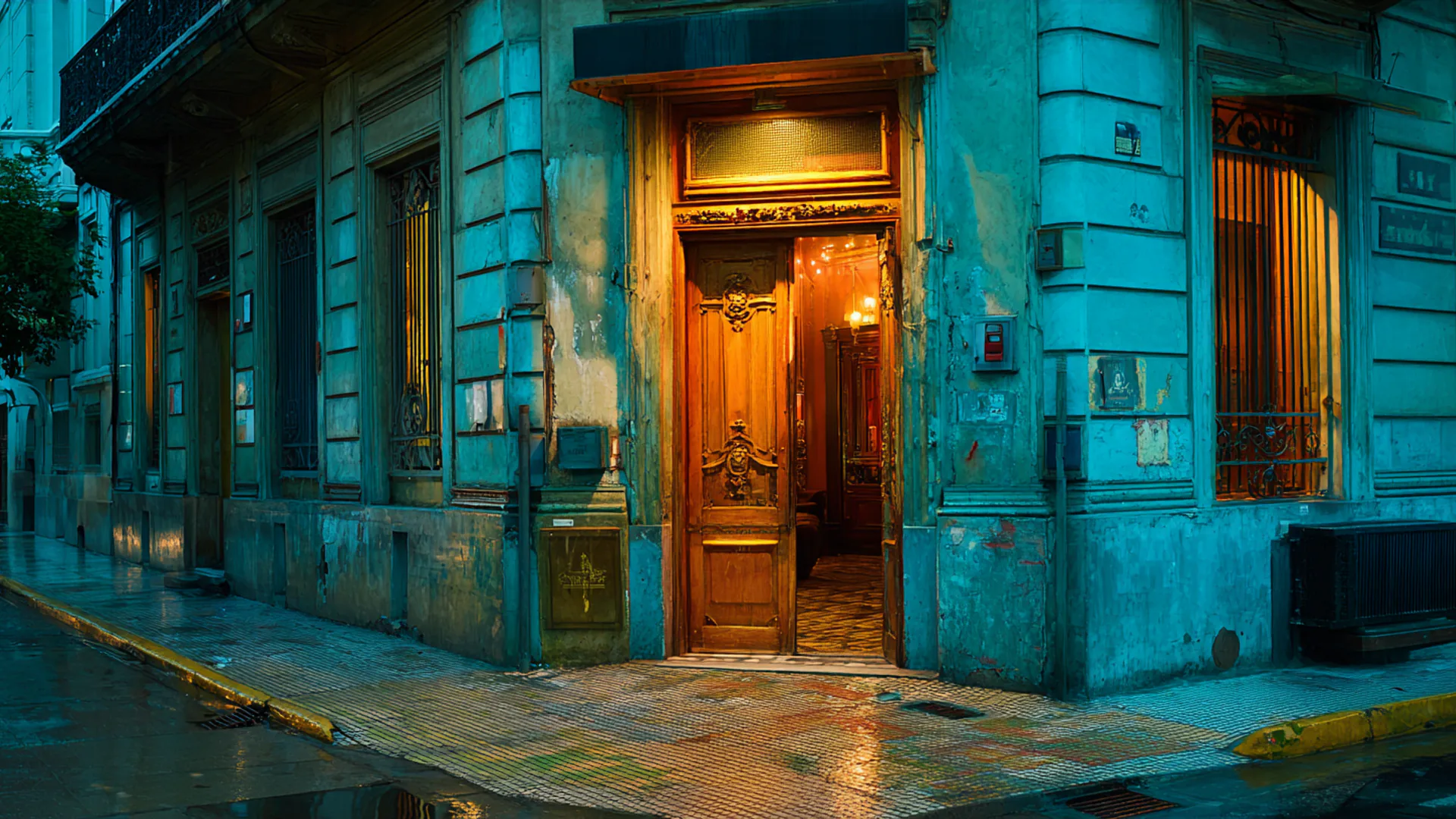
Buenos Aires is a city of intersections—architectural, cultural, and social. Parisian-style avenues meet the gritty romance of tango, while Belle Époque cafes serve coffee next to asadores who have been grilling since before you were born. Porteños live in public, in parks and plazas and on street corners, where conversations last longer than the vermouth being poured. It’s a city built on stories, steak, and the unshakable belief that the best is yet to come.
There are more bookstores per capita here than in any other city in the world.
The city has its own public holiday for 'Friend's Day' (Día del Amigo) on July 20th, celebrated with the fervor of a national holiday.
Many buses ('colectivos') are privately owned and feature unique, elaborate decorations, a tradition born from 'fileteado' art.
Versailles-grade chandeliers and Carrara marble in Recoleta. The city's most patrician address since 1932.
RecoletaA Palermo Soho design incubator where each room is a distinct vision from a different Argentine designer.
Palermo SohoSleep in a 1930s neoclassical mansion or a modern tower, connected by terraced gardens and a private art gallery.
RecoletaThe verdant garden and pool are the social heart of this Palermo Hollywood gem, with rooms featuring private terraces.
Palermo HollywoodThe archetypal Palermo parrilla experience. Order the bife de chorizo and a bottle of Malbec selected from the in-house cellar.
Palermo SohoArgentine home cooking, reimagined. Trust the chef in this tiny, market-driven Palermo Hollywood spot.
Palermo HollywoodA Palermo institution serving generous platters of Armenian classics. Expect to wait; it's always worth it.
Palermo SohoRing a weathered buzzer in Balvanera to find this puerta cerrada for a tasting menu of modern Argentine cooking, served to just 20 guests.
BalvaneraSince 1858. Order churros con chocolate under stained-glass ceilings and feel the city's history unfold around you.
MicrocentroEnter through a working flower shop and descend to a submarine-like den for precise, gin-focused cocktails.
RetiroA Jules Verne fantasy in Palermo, where inventive cocktails might arrive in a smoke-filled dome.
Palermo SohoA 1927 corner bar on Corrientes. Order the vermouth on tap, served the old way with a slice of orange and salted peanuts.
San NicolasThe Chacarita bar that revived vermouth culture. Taste the house blend on tap that started the city's aperitivo renaissance.
ChacaritaA survey of Latin American modernism. See Frida Kahlo, Diego Rivera, and Tarsila do Amaral under one roof.
PalermoA city of the dead for Argentina's elite. Get lost in its marble streets; find Eva Perón's surprisingly humble family vault.
RecoletaA wrought-iron 1897 market hall where locals buy produce and visitors find antique tango vinyl and choripán stalls.
San TelmoOne of the world's five great opera houses. The acoustics are so perfect Pavarotti called it his favorite.
MicrocentroFind the red door, get the password, and step into a 1920s New York jazz den hidden in Palermo.
Palermo HollywoodThis is not a tourist show. Dance tango until dawn with locals in the basement of an Armenian cultural center.
Palermo SohoPool balls crack at 3 AM in a Villa Crespo hall where chess clocks and vermouth have kept time since the 1920s.
Villa Crespo- You need a SUBE card for buses (colectivos) and the subway (Subte). Buy one at a kiosko and load it with credit.
- Dinner reservations before 9 PM are for tourists. Porteños eat late; restaurants get busy around 10:30 PM.
- Always carry some cash (Argentine Pesos). Many smaller cafes, taxis, and shops prefer it, and it's essential for tips.
- A single kiss on the right cheek is the standard greeting, even between men. A handshake can feel formal or distant.
- Don't be alarmed by 'soda siphons' (sifones) on the table. They're for adding a splash of carbonated water to your wine or vermouth.
- Official taxis are black and yellow. You can hail them, but using a radio taxi or app like Cabify is often more reliable.
Where Things Are
Four neighborhoods to orient your first visit
Recoleta
Elegant Parisian-style quarter with the famous cemetery, palace hotels, and bookstore gems.
Palermo Soho
Creative hub of restaurants, bars, and boutiques with leafy streets.
San Telmo
Historic cobblestone quarter with antique shops, tango halls, and classic cocktail dens.
Microcentro / Monserrat
Downtown core with Plaza de Mayo, historic cafés, and grand architecture.