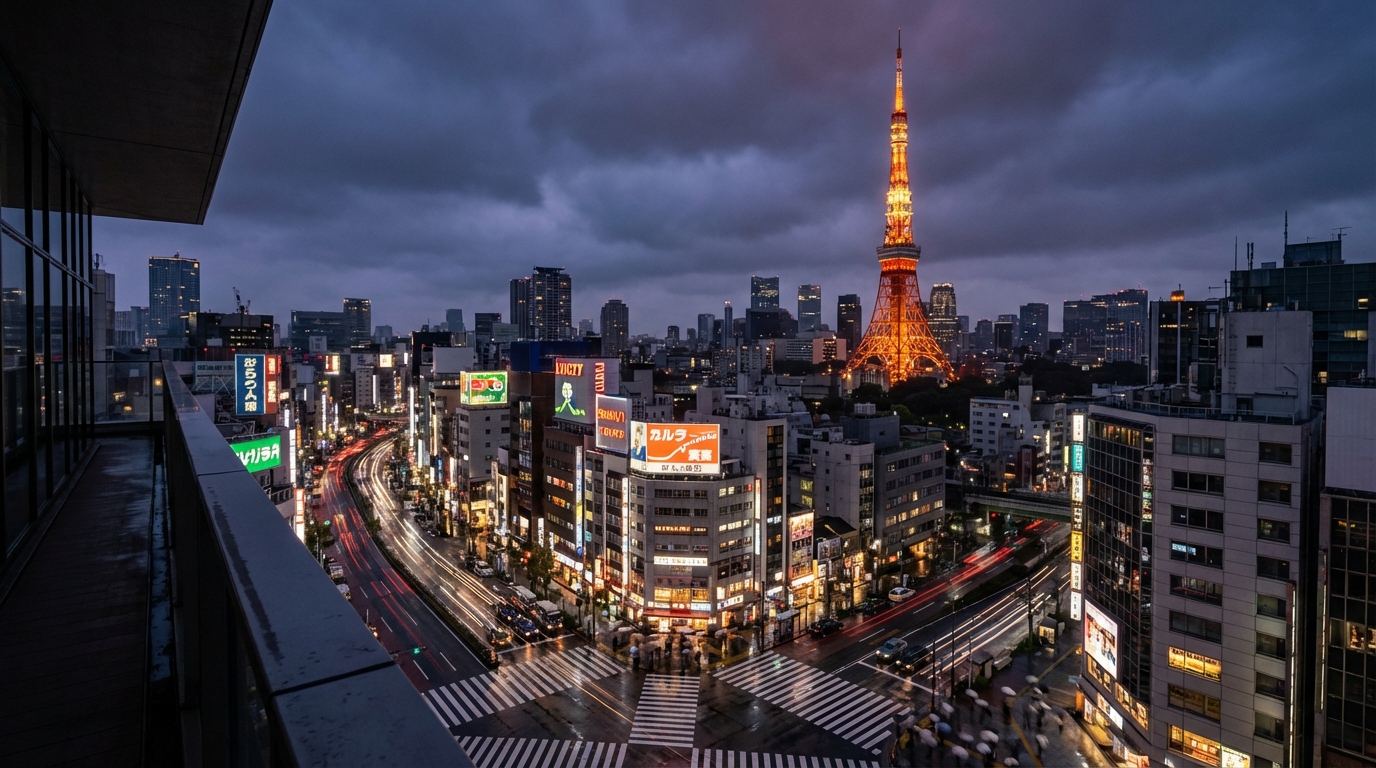
Tokyo's electric town, where the postwar electronics black market evolved into the global capital of otaku culture — anime, manga, gaming, figurines, maid cafes. The district is vertical: a single address might hold a retro arcade on the third floor, figurines on the fourth, a manga cafe on the fifth, and a maid cafe on the sixth, each floor a self-contained universe of fandom. The sensory overload is systematic — signage screams, music blares, costumed workers beckon from sidewalks, the whole neighborhood committed to maximum stimulation as aesthetic principle. Within the noise, pockets of genuine expertise: vintage audio shops, component dealers, retro game stores with working 1980s cabinets, and manga specialists who can locate any title from any era.
Location
Akihabara, Tokyo
Map
Insider Intel
Super Potato for retro gaming — the multi-floor vintage game shop with working arcade cabinets is the district's most rewarding single destination. Mandarake Complex for manga and anime collectibles across eight themed floors. Yodobashi Camera Akihabara for the full-spectrum electronics experience (cameras, appliances, audio, computing). A maid cafe for the cultural experience (@ Home Cafe is the most accessible for first-timers). The gashapon (capsule toy) machines outside every building for the most Tokyo souvenir possible.
Weekend afternoon from 1pm to 5pm when the district is at full energy — the cosplay, the cafe barkers, the crowds create the sensory experience that defines Akihabara. Weekday mornings are quieter and better for serious shopping (vintage electronics, specific manga titles). Avoid Sunday afternoons when Chuo-dori is pedestrianized and the crowds become overwhelming. Evening after 7pm for the neon at its brightest.
Akihabara Station (JR Yamanote, Sobu, and Hibiya Metro lines). The district fans out from the station in all directions — no map is needed, just wander vertically through the buildings. Most shops accept cards; smaller stalls and arcades are cash-heavy. Tax-free shopping is available at larger electronics stores with passport. The maid cafe experience involves a cover charge (300-1,000 yen), themed drinks and food, and a performance element — it is cosplay hospitality, not a normal cafe. Retro game arcades charge per play (100 yen per game). The district is safe but loud and overstimulating — take breaks. English signage is common in larger stores.