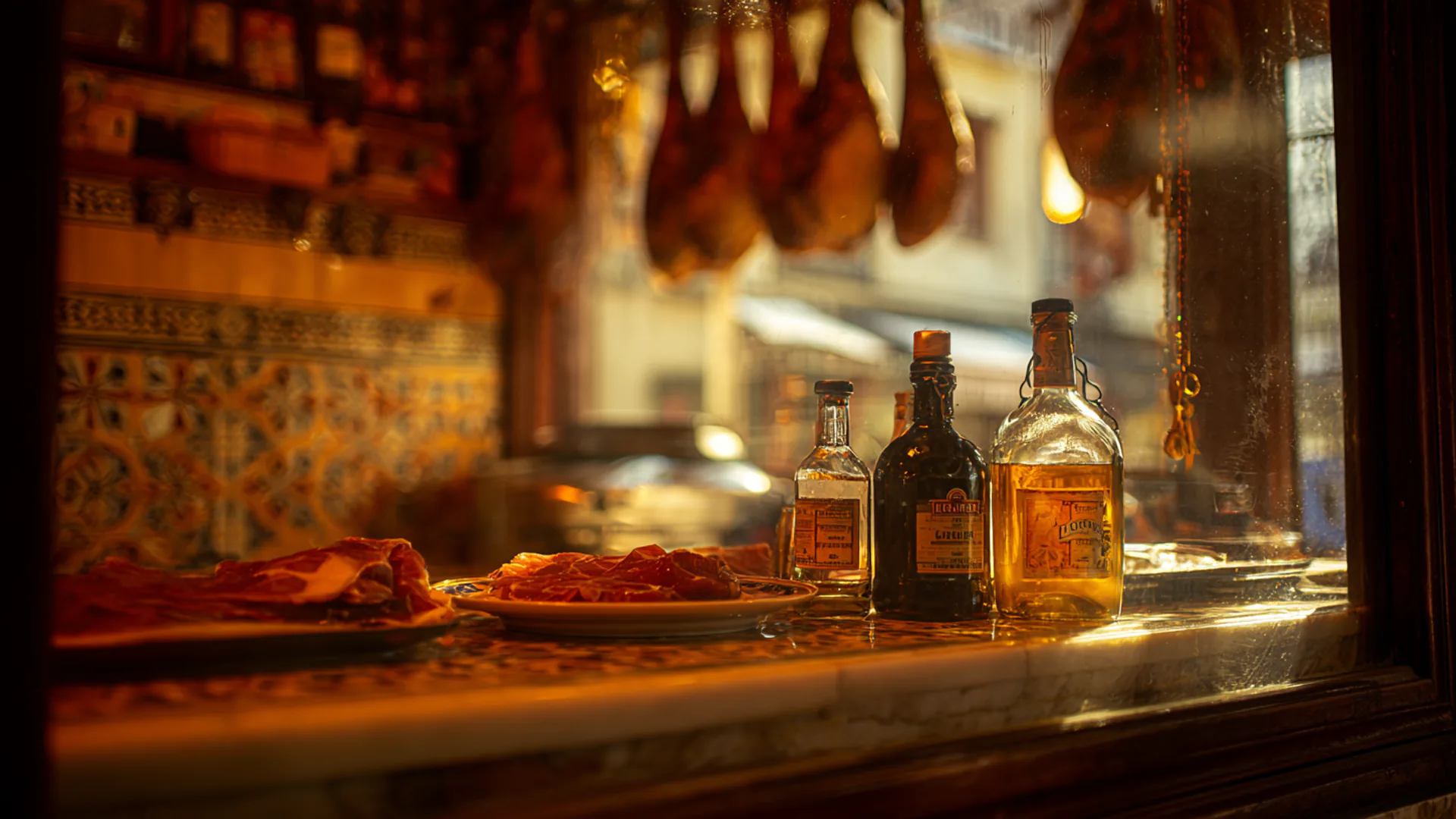
Granite and Light
Madrid’s first impression is light bouncing off stone. Puerta del Sol’s paving gleams at noon; Plaza Mayor frames shadows under arcades where cafés set out chairs like chess pieces. The city sits high, so the sky feels closer and the sunsets more theatrical. Even after rain, the granite dries fast, as if eager to return to form.
Walk early and you see shopkeepers raising shutters, street sweepers rinsing last night away, retirees staking out benches. The city is alert but not frantic. It seems to know the day will last; there is no need to sprint. Even in winter cold, the light feels like a promise that the terrace will fill again by noon.
Plazas as Living Rooms
Madrid’s plazas are not ornaments; they are extensions of apartments. Plaza de Santa Ana holds theatre crowds and jazz fans. Plaza de Dos de Mayo fills with students, families, and a reliable guitar. Plaza de la Paja in La Latina becomes a bowl of golden light at dusk. Order a caña and watch the choreography: waiters carrying six glasses in one hand, friends dragging chairs from other tables to expand the circle.
In summer, misting fans and awnings create shade; in winter, heat lamps glow red. The plaza teaches patience—you might wait for your server, but you’ll get your spot in the sun.
Hills and the Habsburg Maze
Madrid hides a secret in plain sight: the old city is built on hills. The Habsburg core—Plaza Mayor, the Royal Palace, the web of streets around Calle Mayor—sits on a limestone ridge that drops away sharply to the west and south. From within, the center feels intimate and walkable; step beyond it and you discover the isolation the terrain enforces. The western half of the historic center is a puzzle of steep alleys, dead ends, and staircases that lead to streets you didn’t expect. The eastern half—toward Retiro, along Paseo del Prado—flows naturally, broad and legible. Most visitors never notice the asymmetry because they circle the hilltop without finding their way off it. They think the old town is small. In truth, it extends far downhill in every direction, but the slopes and medieval street plan hide entire districts behind elevation changes. Royal gardens—Campo del Moro, the Sabatini—sit directly below the palace, walled and green, yet tourists standing above rarely find the entrances. You have to descend to reach them, and nothing about the hilltop tells you how.
If you plan to move between neighborhoods on the western side, learn two names: San Bernardo and Fuencarral. These are the only streets that punch cleanly north through the tangle between Sol and Chamberí. Without them, you cross Gran Vía—Madrid’s great horizontal artery—and immediately enter a maze of narrow alleys that curve without logic, vestiges of a city plan older than most standing European capitals. Plaza de España sits at the western terminus where avenues converge, a transit hub more useful than beautiful, the reluctant front door to everything beyond the center. From there, the terrain opens toward Casa de Campo and the river, but first you have to find it, and the approach from the east involves navigating streets that seem designed to reroute you back uphill. The advice is simple: have a plan for the western half, or you will spend an hour circling the same ridge wondering why the map shows a park you cannot reach. The eastern side forgives improvisation. The west rewards those who studied the slopes before lacing their shoes.
The Long Meal
Madrid eats in chapters. Breakfast is brief—coffee and tostada, maybe churros if the night ran late. Almuerzo around 11 adds a tortilla wedge and a small beer, a nod to appetite management. Lunch is the anchor: menú del día or a slow cocido madrileño that arrives in stages. Siesta is less universal than myth, but afternoons still quiet.
Dinner rarely begins before 9:30. Tapas crawl through La Latina, Malasaña, or Ponzano means plates of gildas, ensaladilla, and perfectly poured cañas, each stop another stanza. Reservations matter in the new wave of bistros and asadores; elsewhere, standing at the bar works. Dessert can be a simple flan or a late vermut with an orange slice. Time is elastic; meals are how you measure it.
Bars as Philosophy
Madrid’s bars argue quietly through their design. A taberna with zinc counter and ceramic tiles promises tradition: vermut de grifo, bravas, boquerones, conversation leaning on elbows. A cocktail bar behind a heavy curtain promises precision: block ice, exact dilution, bartenders in waistcoats. Both are sincere.
Order a caña and appreciate the pour—a finger of foam, cold glass. Order a dry martini and watch how the bar controls temperature. Natural wine bars have proliferated, pouring orange jars from La Mancha beside anchovies on toast. Wherever you sit, the bar is not just service; it is a statement about how to live here: present, sociable, unhurried.
Art and Air
The Golden Triangle—Prado, Reina Sofía, Thyssen—holds enough art to slow any day. You can visit Guernica and then walk to El Retiro to recover under sycamores by the pond. Smaller spaces like La Casa Encendida and Matadero push contemporary work in repurposed buildings, proof that Madrid keeps making new rooms for ideas.
El Retiro is the city’s lung: runners tracing the perimeter, rowboats bumping on the Estanque, book stalls near the fallen angel statue, ice cream melting too fast in July. Evenings bring skaters and dancers practicing under lamplight. The park is a truce between pace and pause.
Movement and Ease
Metro lines crisscross with clockwork speed; signs are clear, platforms deep and cool. Cercanías trains connect suburbs and Atocha’s tropical garden. Buses fill the gaps. Walking, though, remains the best way to understand how neighborhoods change: Gran Vía’s neon slides into Malasaña’s graffiti in ten minutes. On the eastern side, the ground cooperates; west of Sol, the Habsburg hills make walking as much about navigation as stamina.
Cycling grows yearly with bike lanes and rental docks, though traffic demands attention. Taxis and rideshares are plentiful; drivers often narrate the route. The city invites you to keep moving but never insists you rush.
Night Logic
Madrid’s nights start late and end when the metro reopens. Early evening is for vermut and olives; midnight is for second dinners; 3 a.m. is for dancing in Lavapiés basements or Chueca clubs. Street noise becomes white noise; shopfronts close while bars glow. Churros at dawn reset the clock.
Safety comes from numbers and lit streets; still, keep a hand on your phone and choose well-lit routes. The city is generous at night, but it respects those who look after themselves and each other.
Weather and Pace
Madrid’s altitude brings dry summers and crisp winters. Heat arrives hard in July and August, pushing life to later hours; shade under plane trees or a cold horchata keeps you moving. Spring and autumn are generous, perfect for long walks between museums and terraces. Winter light is sharp; coats come out, but sun still fills plazas at noon.
The city matches the weather: slower when it’s hot, brisk when it’s cold. Adjust with it—long lunches in summer, faster tapas circuits in January. Carry water, respect the sun, and remember that a late dinner is easier when the heat fades.
Money and Value
Madrid offers value across tiers. A caña costs little and is poured with care; a tasting menu can be world-class without bankrupting you. Menú del día remains a working lunch institution. High-end shopping lives in Salamanca; vintage hunting thrives in Malasaña and El Rastro. Public museums charge modestly or are free at certain hours; many galleries cost only your attention.
Cashless works almost everywhere, but small coins help in markets and with older bars. Tips are a gesture, not an obligation. Madrid shows that good fabric, good oil, and good wine don’t always require luxury pricing—they require knowing where to stand. Save receipts for tax-free if you’re shopping big; save time for the bars where the pour is generous and the bill modest.
Books and Quiet Corners
Librería Desnivel stacks mountaineering books to the ceiling; La Central in Callao offers a courtyard café hidden from traffic. The National Library guards quiet under frescoes, while cafés in Conde Duque and Chamberí act as office, salon, and refuge. Madrid is talkative, but it respects the written word. You can sit alone with a novel and no one will hurry you.
Even churches are generous with silence. Duck into San Antonio de los Alemanes or the Basílica de San Francisco el Grande to cool down. Museums are not the only place to find pause; sometimes it’s a bench in Plaza de las Comendadoras with a paperback.
Markets and Everyday Luxury
Markets keep Madrid grounded. Mercado de la Paz in Salamanca, Antón Martín near Lavapiés, Chamberí’s mercado with its old fish counters—they all sell routine and indulgence side by side. Buy jamón sliced to order, turrón in winter, strawberries in spring. Mercado de San Miguel is the polished postcard version; go early or accept the crowd.
Food is an everyday luxury here: olive oil that tastes like sunlight, bread with a crust that matters, tomatoes that smell like tomatoes. Madrileños notice these things; you should too.
Rooftops and Horizons
Because the city is high, rooftops deliver. Círculo de Bellas Artes shows Gran Vía from above; the Gourmet Experience at Callao gives you sunset framed by Schweppes neon. Hotels in Gran Vía and Plaza de España open terraces to non-guests—worth a drink for the view alone.
At dusk, the horizon turns copper and the Sierra de Guadarrama silhouettes in the distance. From Temple of Debod park, you watch planes arc overhead and the Royal Palace catch the last light. Rooftops make the city feel both grand and approachable, like a story you can see start to finish.
Game Days and Sound
Football is a second language. On match days, shirts and scarves appear across the metro; near Bernabéu, bars overflow hours before kickoff. Even if you skip the stadium, you hear goals echoed from televisions in every taberna. Atlético claims the south; Rayo Vallecano holds Vallecas with grit. Basketball at WiZink fills nights with another rhythm.
If sports are not your ritual, choose those evenings for museums or quiet tapas bars—the crowds cluster around screens. If they are, lean in: order a caña, join the chant, and learn how the city exclaims joy in unison.
Day Trips, No Hurry
Atocha puts Toledo, Segovia, and Ávila within an hour. Trains leave often; you can breakfast in Madrid, lunch under an aqueduct, and be back for tapas. El Escorial and Aranjuez add royal gravity to any weekend. Sierra hikes break the urban rhythm with pine scent and altitude.
None of these trips require panic. Madrid teaches that even travel can be unhurried if you know you can return the same day. Leave early if you want more time; stay late if the mood is right and catch a later train. The city will still be awake when you return.
Goodbyes, Softly
Leaving Madrid usually involves one more coffee at the bar, one more quick tortilla pincho, one more glance at the sky to see what color it turned today. The airport ride is short; Chamartín or Atocha departures efficient. The city does not cling; it assumes you’ll be back because it made it easy to love the routine.
You carry away the cadence: slow mornings, long meals, late nights, polite queues, and the habit of standing at a bar with your elbows just so. It is a rhythm that follows you and waits for you to match it again.