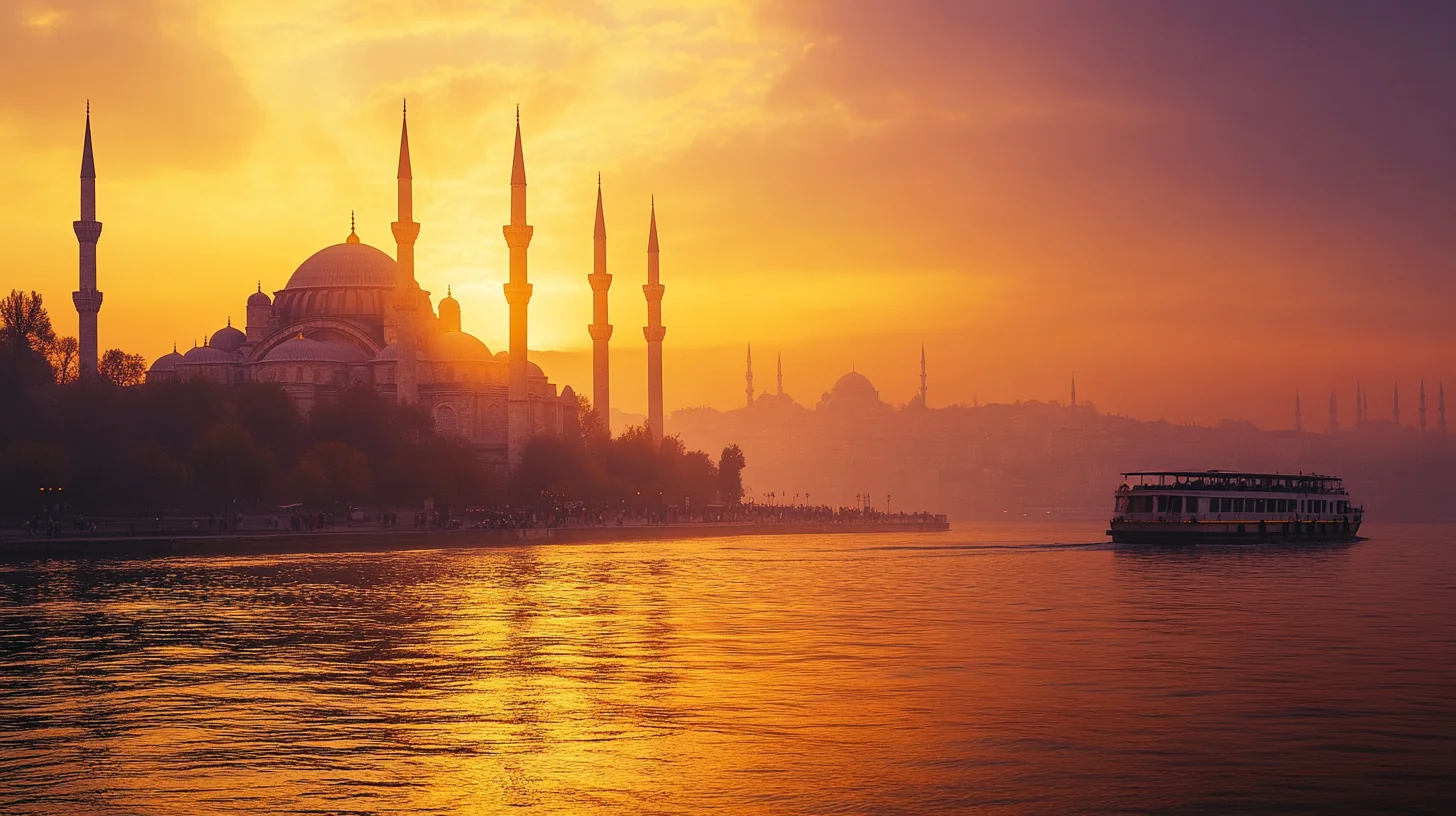
Architect Sinan's masterpiece, completed in 1558 for Suleiman the Magnificent, and many consider it superior to the Blue Mosque in every respect — the proportions more refined, the acoustics more carefully calculated, the hilltop position giving it a commanding presence over the Golden Horn that no other mosque in the city can match. Sinan, who built over 300 structures across the Ottoman Empire, considered the Suleymaniye his journeyman work (he reserved the title of masterpiece for the Selimiye in Edirne), but the building's balance of mass and light, of structural ambition and decorative restraint, feels definitive. The complex extends far beyond the mosque itself: a medrese (Islamic school), a hamam, a hospital, kitchens, and the tombs of both Suleiman and his wife Hurrem Sultan (Roxelana). Less touristy and more serene than the Sultanahmet mosques.
Location
Fatih, Istanbul
Map
Insider Intel
Approach from the north side for the full hilltop silhouette against the sky. Enter the courtyard and sit on the benches before going inside — the proportions of the courtyard prepare you for the interior. Inside, the dome appears to float on a ring of windows, a technique Sinan refined from Hagia Sophia. The stained glass windows by Ibrahim the Drunkard (Sarhos Ibrahim) are original and exceptional. Visit the tombs of Suleiman and Roxelana in the cemetery behind the mosque. The garden terraces on the south side have panoramic Golden Horn views.
Midday when the light through the windows is strongest, or late afternoon for the golden light on the hilltop exterior. The mosque is significantly less crowded than the Blue Mosque at all times. Friday is busiest (midday prayer). The surrounding neighborhood has excellent local restaurants, particularly the Suleymaniye soup kitchens that serve traditional Ottoman-style food.
Free entry. Active mosque — same dress code as all Istanbul mosques: remove shoes, cover shoulders and knees, women cover heads. The hilltop location means a walk uphill from the tram or the Grand Bazaar area. The complex is large — allow time to explore the courtyards, the cemetery, and the terraces. The Suleymaniye Hamam adjacent to the mosque is a working bathhouse and one of the most architecturally significant in the city. The restaurants on Sifahane Caddesi, particularly for lentil soup and beans, are a local institution.