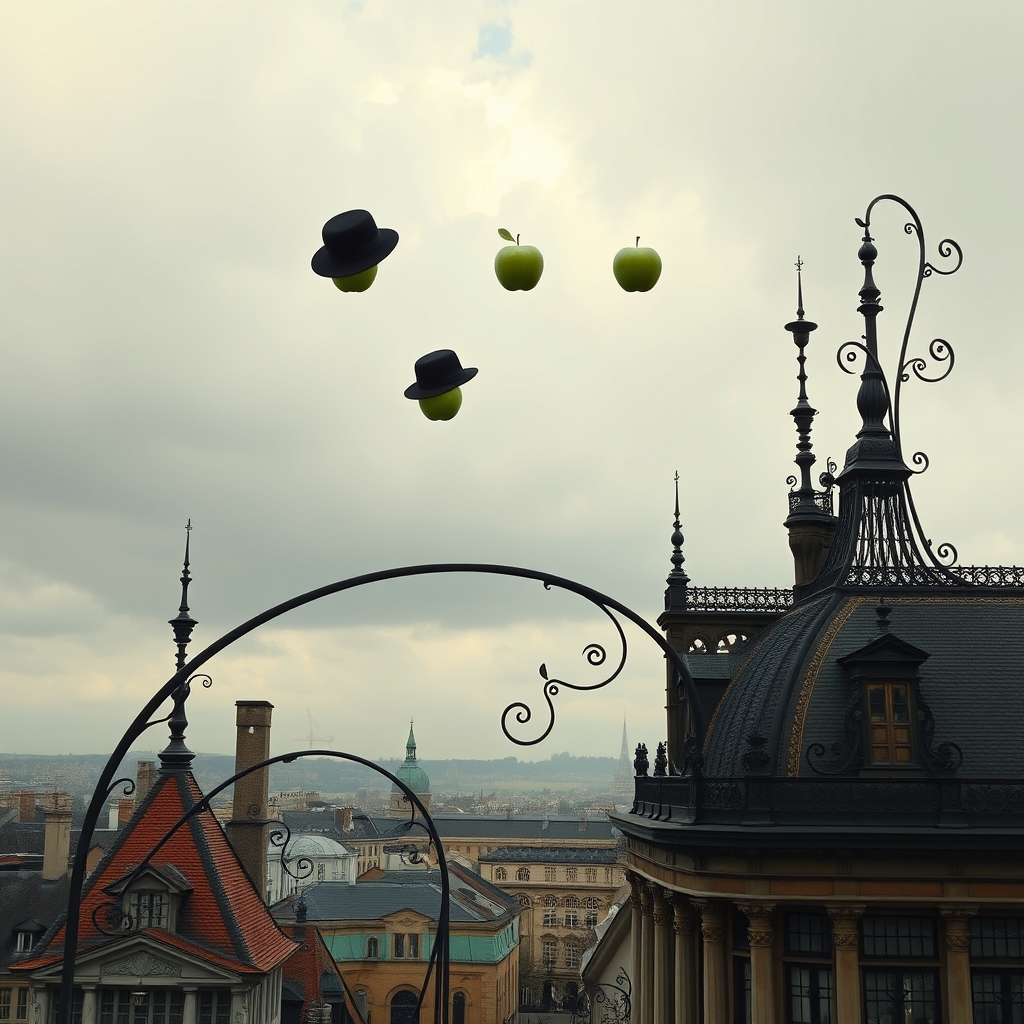
Light is filtered, cafés glow amber, and the Grand-Place shines even under gray skies. The city is a conversation between Art Nouveau curves and Gothic spires, best navigated with an umbrella and an appetite. It's the capital of Europe, but feels like a collection of villages, each with its own market and mood.
The stunning guildhalls of the Grand-Place, not palaces or cathedrals, were built to project the city's commercial power.
Art Nouveau was born here. You can see its signature 'whiplash' curve in metro entrances, private homes, and even door handles.
The name of the five-star Hotel Amigo is old Brussels dialect for 'prison,' its former function on the site.
Stay inside Europe's oldest shopping arcade, a 19th-century glass-roofed dream where your corridor is a public monument.
Galeries RoyalesSleep in a former 1930s 'rendez-vous' hotel, where Art Deco glamour meets a discreetly risqué past and mirrors tell stories.
IxellesThe name means 'prison' in old Brussels dialect, but today it's a five-star Rocco Forte haven seconds from the Grand-Place.
Grand PlaceA 15th-century Dominican abbey transformed, where evening cocktails are now served in the former cloister courtyard.
CentreDine on langoustines inside an Art Nouveau interior that feels like stepping into a perfectly preserved jewel box.
Centre / LouiseEat shrimp croquettes and fresh oysters standing on the pavement, with a cold glass of Muscadet from the fishmonger's counter.
Sainte-CatherineThe carbonnade flamande is a study in slow-braised beef, served in a refined former post office in the Marolles.
MarollesNo reservations, communal tables, and a stoofvlees—Flemish beef stew—that anchors the very concept of Brussels comfort.
CentreOrder the crisp, light Brussels waffle—not the dense Liège—from the tearoom of a biscuit maker open since 1829.
Grand PlaceChoose from forty-odd taps in a temple to fermentation, where gueuze and lambic are served with deserved reverence.
CentreOrder a Saison Dupont in a pristine 1935 Art Deco café, a magnificent, unpretentious Saint-Gilles local.
Saint-GillesSip a seasonal Negroni variation while a vinyl collection spins, in a bar that feels like the neighborhood's living room.
ChatelainDrink the house gueuze in a 1928 beer hall named for a card game, where time seems to have stopped.
CentreFor three weeks in spring, walk through the vast Art Nouveau glass-and-iron city belonging to the Royal Palace.
LaekenStep inside the home of Victor Horta, a total expression of Art Nouveau where every detail flows in a single organic vision.
Saint-GillesRide an elevator to the top of an iron crystal magnified 165 billion times, a stunning relic of Expo 58 optimism.
LaekenSee a major exhibition in Victor Horta's 1920s Art Deco 'palace for culture,' a masterpiece in its own right.
Mont des ArtsA Belle Époque dance hall reborn as a live music bar, where the genres rotate nightly and the crowd spills onto the cobblestones.
Centre / Grand PlaceWeekend jazz brunches and late-night DJ sets in a curved Art Deco hall overlooking the Ixelles Ponds. Order a Trappist on the terrace.
FlageyHuddle in a candlelit nook as the owner spins chanson and soul from a massive, floor-to-ceiling vinyl collection in this labyrinthine bar.
Saint-Jacques- Beer menus are novels. Ask the bartender for advice, respect the specific glass for each brew, and do not mistake high ABV for weakness.
- The best frites come from standalone 'fritkots' (kiosks), not restaurants. Order a cone with 'andalouse' sauce and eat it on the street.
- Visit the flea market at Place du Jeu de Balle in the Marolles for antiques, but go early. For food, the Wednesday market at Place du Châtelain is a local ritual.
- Use contactless payment for the metro and trams. The #92 tram offers a scenic tour of the city's finest architecture from Schaerbeek to Fort-Jaco.
- Don't be surprised to hear French, Dutch, and English in one conversation. A simple 'Bonjour / Goedendag' is always appreciated.
- Brussels is the capital of the comic strip ('bande dessinée'). Follow the 'Comic Strip Route' to see murals of Tintin and others on city walls.
Where Things Are
Four neighborhoods to orient your first visit
Grand-Place / Ilot Sacré
Historic center with the iconic Grand-Place, tourist epicenter, and classic Belgian beer bars.
Saint-Gilles
Art Nouveau architectural jewel with diverse international food and the famous Parvis brunch scene.
Sainte-Catherine
Former fish market quarter now packed with seafood restaurants and authentic Belgian beer bars.
Ixelles / Matongé
Congolese quarter meets university nightlife, with Place Flagey as a cultural hub.