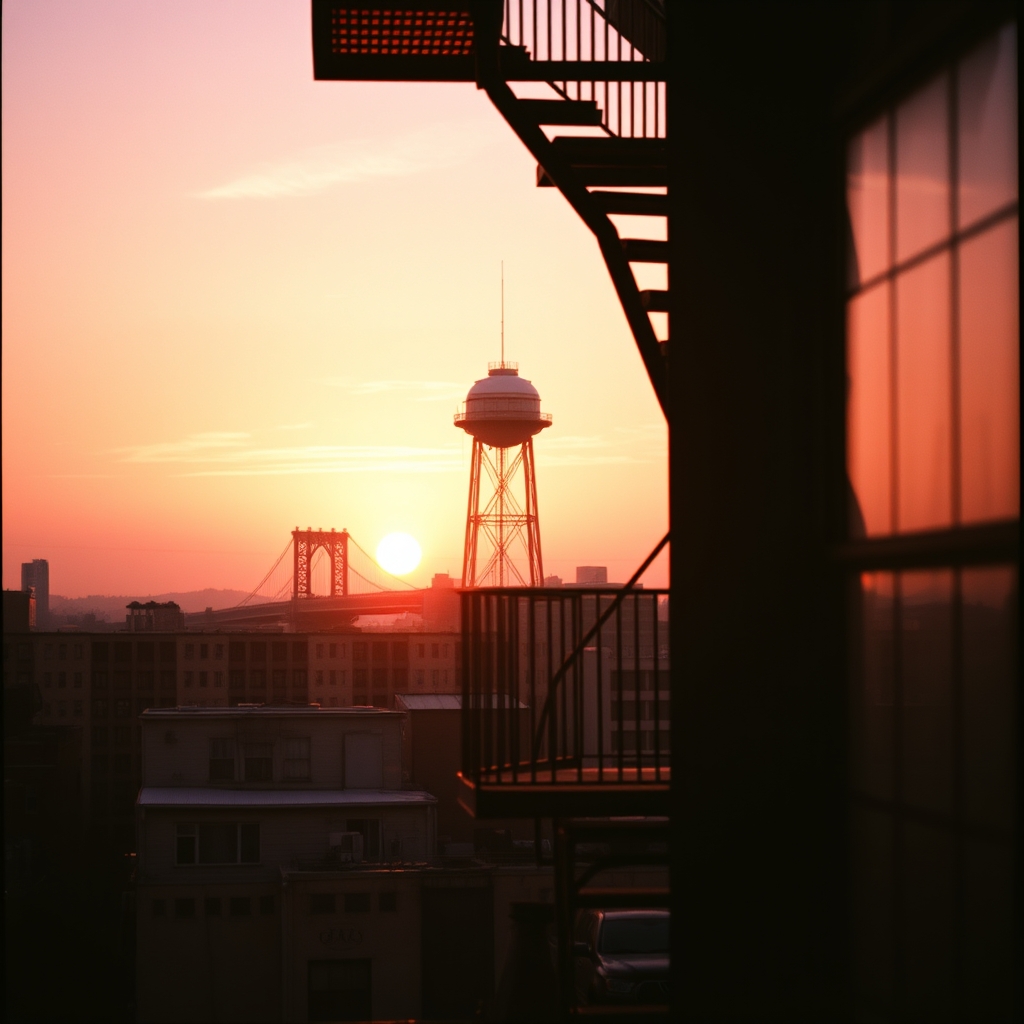
Henry Latham Doherty dropped out of school at twelve to sell newspapers on the streets of Columbus, Ohio. Four decades later, he stood on the 66th-floor observation deck of his own skyscraper—the third-tallest building in the world—and looked out through a glass solarium toward the Brooklyn Navy Yard. The deck was his private triplex penthouse, complete with terraces decorated with art from France, Italy, and Spain. In 1932, he opened it to the public for fifty cents a head, undercutting the Empire State Building by more than half. This was 70 Pine Street: a monument to reinvention, built by a man who had reinvented himself.
Clinton & Russell, Holton & George designed the tower for Doherty's Cities Service Company (later Citgo), and they packed it with innovations. The narrow lot demanded efficiency, so the architects installed eight shafts of double-decker elevators—two cabs stacked vertically in a single shaft, serving odd and even floors simultaneously. The system saved $200,000 and freed 40,000 square feet of rentable space. The wedding-cake setbacks rose sixty-seven stories to a Gothic spire, making 70 Pine the tallest building in Lower Manhattan and, briefly, the third-tallest in the world.
The ornamentation tells the story of the tenant. Solar motifs celebrate the energy industry; the Cities Service triangular logo appears in reliefs throughout the facade. Robert A.M. Stern compared the carved figures to 'a Madonna blessing pilgrims of a Gothic cathedral'—a apt analogy for a building that treated commerce as a kind of secular faith. The lobby featured elaborate Art Deco metalwork; the observation deck offered views no other downtown building could match. During World War II, the deck was closed because it overlooked the Brooklyn Navy Yard, a military target.
After decades as AIG headquarters, 70 Pine was converted to luxury residences in 2015, its Art Deco lobby reopened to the public as retail space. The observation deck level, long sealed, is slated for restaurant use—a return to Doherty's original vision of sharing the view. The building was added to the New York Register of Historic Places in 2011, its remarkable double-decker elevator system now gone but its Gothic profile still defining the Lower Manhattan skyline.
"70 Pine's reliefs surveyed the crowds of workers as a carved Madonna would bless the pilgrims of a Gothic cathedral."
— Robert A.M. Stern
Enter through the Pine Street lobby and crane your neck at the restored Art Deco ceiling. Consider that the man who built this tower started with nothing—no education, no connections, just hustle and newspapers. Then look up at the spire, still one of Lower Manhattan's most distinctive silhouettes. Doherty is long gone, but his building remains: proof that New York has always been a city where reinvention is possible, where a newsboy's tower can rise above the banks.