Neighborhoods
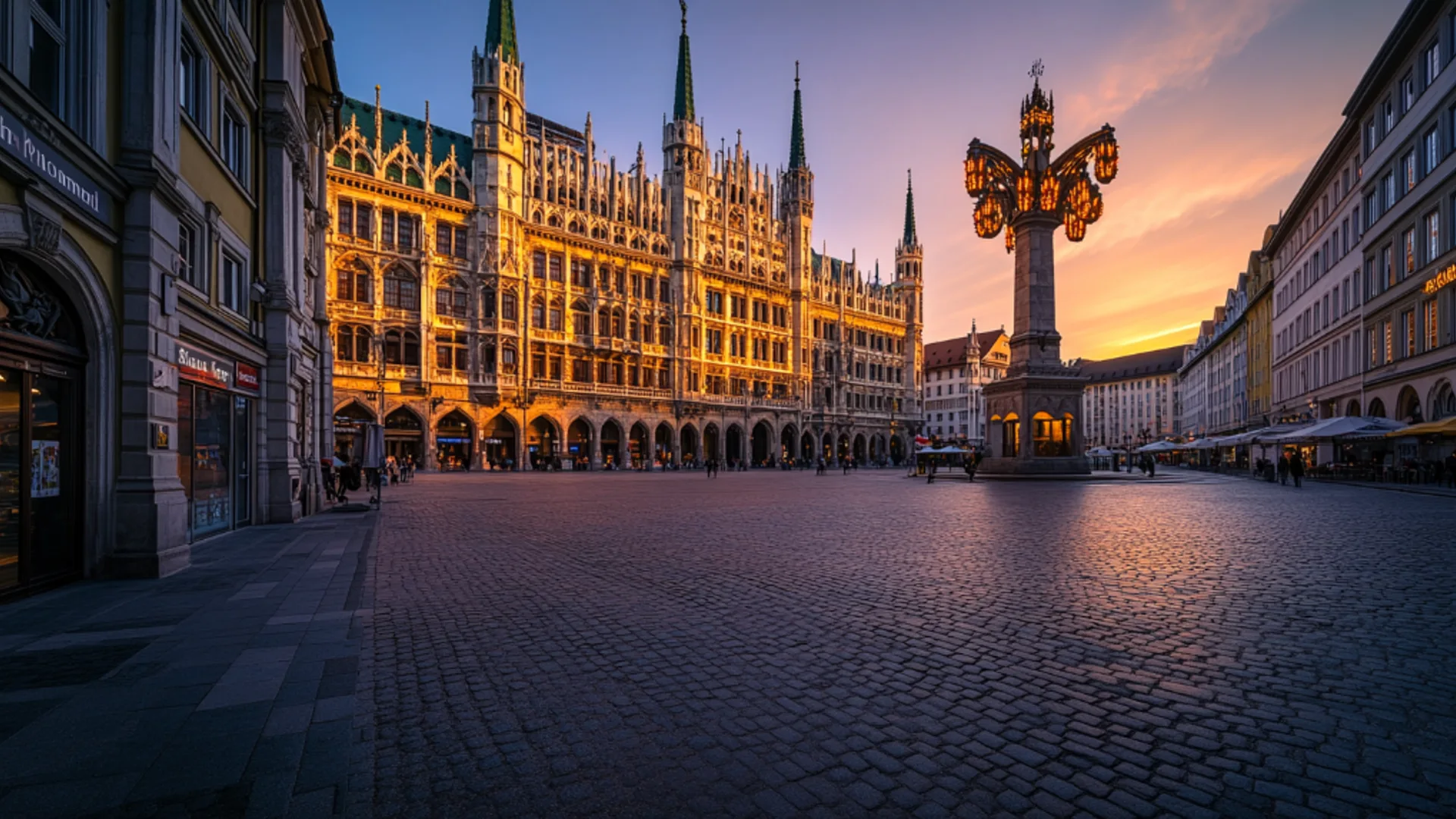
Altstadt-Lehel
Historic core around Marienplatz with beer halls, churches, and the Viktualienmarkt.
Maxvorstadt
Museum quarter and university district with galleries, bookshops, and daytime cafe culture.
Schwabing
Former bohemian quarter now upscale residential with beer gardens near the Englischer Garten.
Glockenbachviertel
Vibrant quarter south of the centre with cocktail bars, independent shops, and Isar riverbank life.
Haidhausen
East-bank neighbourhood with Wiener Platz market, Gasteig culture centre, and quiet beer gardens.
Neuhausen-Nymphenburg
Western residential quarter with Nymphenburg Palace gardens and traditional beer halls.
Editor's Picks
Asamkirche (St. Johann Nepomuk)
Late Baroque church built 1733-1746 by the Asam brothers as their private chapel. Crammed into a narrow plot on Sendlinger Straße, the interior is an explosion of gilt, frescoes, sculpture, and theatrical light. The most extreme Rococo in Munich.
Augustiner Stammhaus
The Altstadt counterpart to Augustiner-Keller — same brewery (pouring since 1328), same Holzfass wooden-barrel pours, different neighbourhood and an entirely indoor experience. The Stammhaus occupies the old brewery's city-centre building on Neuhauser Straße, the pedestrian artery running east from Karlsplatz, and the room reads as the inside of a good Bavarian novel: painted wood beams, Stammtisch tables marked RESERVIERT for regulars, a tiled stove corner, and the deep continuous hum of a place that has been serving beer in this same shell for well over a century. The menu is properly long — Schweinshaxn, Weißwurst, Tafelspitz, the full Bavarian breakfast — and the small arcaded garden out back catches light in the afternoon. Unlike Hofbräuhaus, Stammhaus still draws Munich locals rather than only tour buses; the house staff use dialect; the tables in the back room are nearly all regulars.
Augustiner-Keller
Under the chestnut trees of Augustiner-Keller, Munich reveals its deepest conviction: that beer served from a wooden barrel in a shaded garden is one of life's least improvable pleasures. The Augustiner brewery has been operating since 1328 and this Keller, near the Hauptbahnhof, pours their Edelstoff and Helles from Holzfasser — wooden casks that keep the beer at a temperature and carbonation that no metal keg can replicate. Five thousand seats beneath ancient chestnuts, gravel underfoot, pretzels the size of your head, and the particular democracy of a biergarten where bankers sit beside bricklayers because the wooden benches do not distinguish.
BMW Welt & Museum
BMW's architectural showpiece next to Olympic Park — the Welt (delivery centre and showroom) is free to enter, the Museum across the street covers 100 years of Bavarian automotive history. Even if cars bore you, the Coop Himmelb(l)au-designed Welt building is worth the U-Bahn ride north.
Bar Gabanyi
Stefan Gabanyi's bar on Beethovenplatz is Munich's longest-running argument for cocktails as a serious art form. Open since 2001, it predates the city's modern cocktail boom and trained many of the bartenders who now run their own places. The room is dark, the bar is long, and the drink menu is a document that takes spirits seriously — rare whiskies, vintage rums, an agave section that would make a Mexico City mezcaleria respectful. Gabanyi himself is a published spirits authority, and that scholarship infuses every drink built here. Not the trendiest bar in Munich, but the one the trendiest bars learned from.